
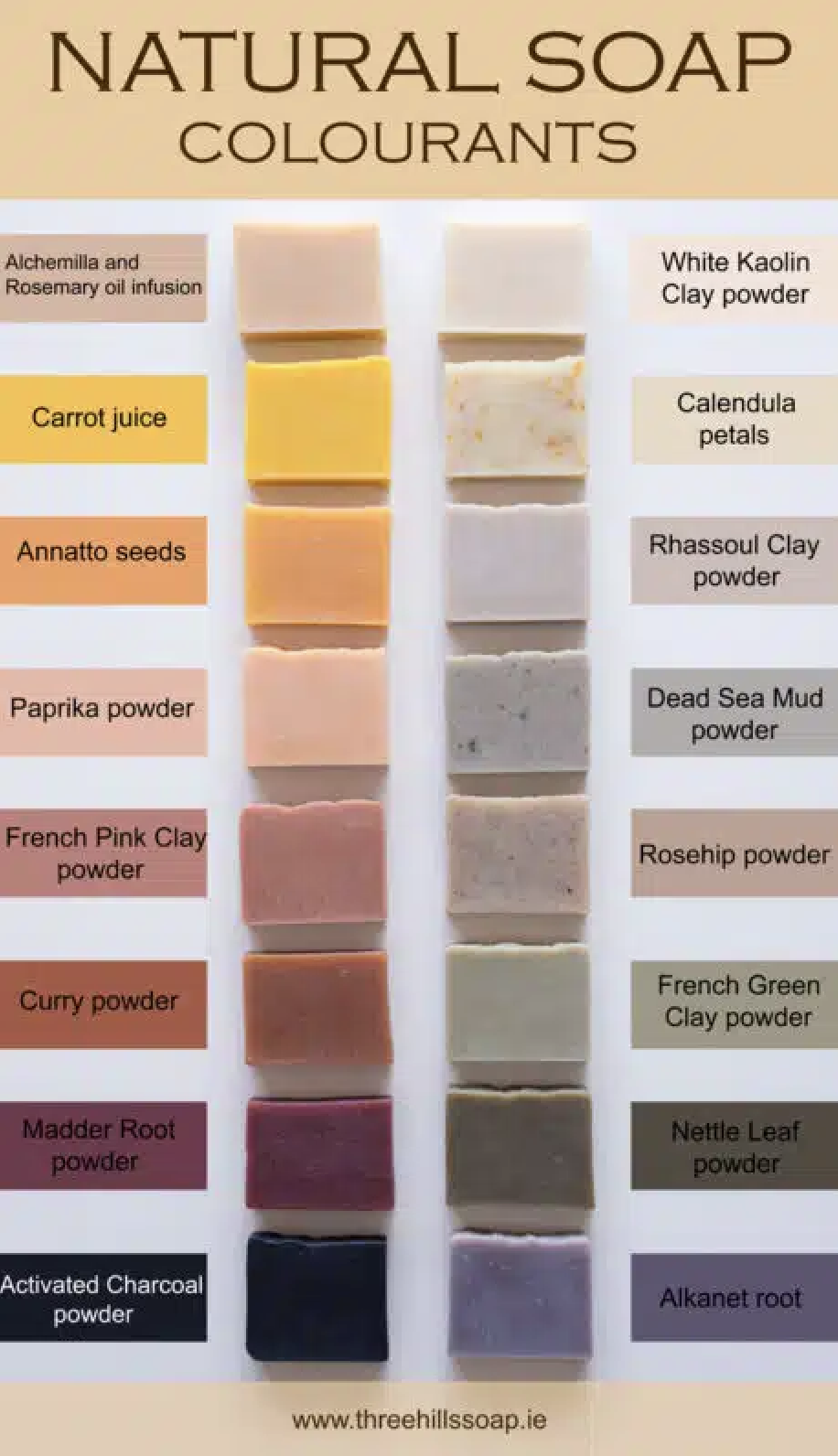
Exploring Soap Colors: Gold!
Universal Gentle Bar - 907g Batch
Weigh and divide out, about 216g each, plus extra (weigh after lye conversion)
Oils:
45% Tallow: 408g
12% Coconut: 109g
20% Olive: 181g
15% Shea: 136g
5% Apricot: 45g
3% Castor: 27g
Total oils: 907g
Lye Solution (7% superfat):
NaOH: 118g
Water: 272g
Purple (Alkanet Root Powder + Woad) mix!!!!
Alkanet: ¾ tsp (2-3g)
Woad: ¼ tsp (0.5-1g)
Mix together before adding to batter (3:1 ratio)
Eli ENGINE
Blue Woad Powder
½ tsp (1-2g) for light sky blue
¾ tsp (2-3g) for medium blue
1 tsp (3-4g) for deeper blue
Christie COAL CAR (Blue)
Green French Green Clay
Amount per 151g oils:
1½ tsp (4-5g) for soft sage green
2 tsp (6-8g) for medium green
1 Tbsp (10-12g) for deep forest green
Luca LOG CAR (Green)
Yellow Calendula Powder
¾ tsp (2-3g) for soft buttery yellow
1 tsp (3-4g) for brighter golden yellow
1½ tsp (4-5g) for deeper gold
Holly HOPPER CAR (Yellow)
Orange Annatto Powder
½ tsp (1.5-2g) for peachy-orange
¾ tsp (2-3g) for bright orange
1 tsp (3-4g) for deep tangerine
Jaden JUICE TANKER (Orange)
Rose Clay (per 151g oils):
½ tsp (1.5-2g) for soft dusty pink (plus a TINY pinch of alkanet root or red brazillian clay)
¾ tsp (2-3g) for deeper rose pink
1 tsp (3-4g) for rich pink/coral
Katie CABOOSE (Red/Pink)
Kid-Approved Brown Blends (Very Reliable)
Soft Milk Chocolate
Cacao + Rhassoul
Gentle, cozy, “chocolate milk” brown
Warm Teddy Bear Brown
Tiny madder + cacao
Rosy warmth without pink
Sandcastle Tan
Rhassoul only
Perfect for baby & toddler bars
Natural Gold Color Options for Soap:
1. Turmeric (easiest, most accessible):
Creates warm golden-yellow
Use 1/4 - 1/2 tsp per pound of oils
Infuse in oil first for even color OR add at trace
Can fade over time but usually stays yellow-gold
Bonus: anti-inflammatory properties
2. Annatto seeds:
Makes peachy-gold to deep orange-gold
Infuse seeds in oil (1 tbsp per cup oil, let sit 2+ weeks)
Very stable color, doesn't fade
Traditional natural dye, completely safe
3. Calendula-infused oil:
Subtle golden-yellow tint
Gentle, skin-loving
Good for sensitive skin
More understated than turmeric
4. Saffron:
Gorgeous golden-yellow
EXPENSIVE (probably not practical for market soap)
But creates luxurious look if you want ultra-premium coins
5. Yellow Brazilian clay:
Natural mineral colorant
Soft golden-beige
Adds gentle exfoliation
Very stable in soap
6. Combination approach:
Turmeric + a touch of paprika = deeper gold
Annatto + calendula = rich warm gold
Yellow clay + turmeric = muted antique gold
Application tips:
For even color:
Mix colorant with a small amount of oil first (make a slurry)
Add at light trace
Blend thoroughly
Test small batch first - colors intensify as soap cures
For "gold coin" effect specifically:
Use turmeric or annatto for base gold color
After unmolding, dust with edible gold luster dust or mica (cosmetic-grade)
The stamped design will catch the shimmer beautifully
Most practical: Annatto-infused tallow or olive oil - gives you that rich golden color, super stable, and fits my "simple ingredients" diet perfectly, and you can infuse in bulk ahead of time.
Annatto-Infused Oil Recipe for Golden Soap
Ingredients:
1 cup oil (tallow, olive oil, or whatever oil you're using in your soap recipe)
1-2 tablespoons whole annatto seeds
Equipment:
Glass jar with lid
Fine mesh strainer or cheesecloth
Clean storage container
Method 1: Cold Infusion (Best for preserving oil quality)
Combine:
Add annatto seeds to glass jar
Pour oil over seeds
Seal tightly
Infuse:
Place in cool, dark cupboard
Shake daily
Timeline: 2-4 weeks minimum
Longer = deeper color (can go 6-8 weeks)
Oil will turn orange-gold gradually
Strain:
Pour through fine mesh strainer or cheesecloth
Squeeze/press to get all the color out
Store in clean jar
Use:
Replace portion of your soap recipe oil with annatto-infused oil
Start with 25-50% of total oils for good gold color
Can use 100% if you want deep golden coins
Method 2: Gentle Heat Infusion (Faster)
Heat gently:
Combine oil and seeds in double boiler
Heat to 120-140°F (warm, not hot)
Hold at this temp for 1-2 hours
Stir occasionally
Cool and strain:
Let cool completely
Strain out seeds
Ready to use immediately
Result:
Bright orange-gold color in 2 hours vs 2 weeks
Slightly less stable long-term than cold infusion
Still completely safe and effective
Color Guide:
Light gold: Use 25% annatto oil in recipe
Medium gold: Use 50% annatto oil
Deep golden/orange: Use 75-100% annatto oil
Pro Tips:
Buy annatto seeds: Health food stores, Latin markets, or online (also called "achiote")
Batch it: Make a quart at a time since you'll use it regularly
Shelf life: Same as base oil (tallow = 1-2 years, olive = 1-2 years)
Test first: Make one small soap batch to see the final cured color
Color deepens: As soap cures, gold becomes richer over 4-6 weeks
For your tallow soap specifically: If using grass-fed tallow as your base, infuse it by:
Melting tallow gently (just until liquid)
Add annatto seeds
Keep warm (not hot) for 1-2 hours
Strain while still liquid
Let resolidify
Storage: Keep infused oil in amber glass or dark container away from light to preserve color.
Market display advantage: You can truthfully say "naturally colored with annatto, a traditional food-safe dye" - reinforces your edible skincare philosophy!
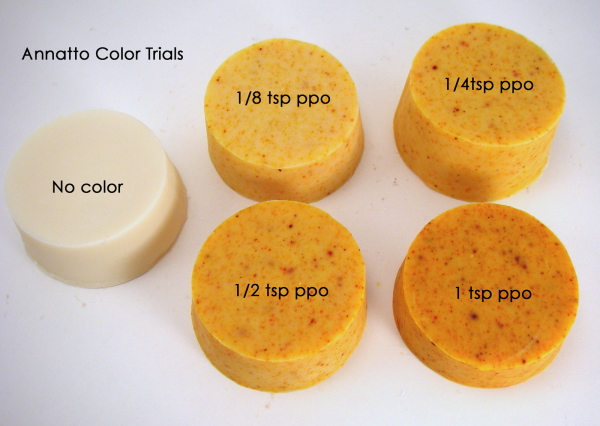
1 teaspoon, 1/2 teaspoon, 1/4 teaspoon and 1/8 teaspoon per pound of oil, per The Nova Studio.
So what is Annatto?
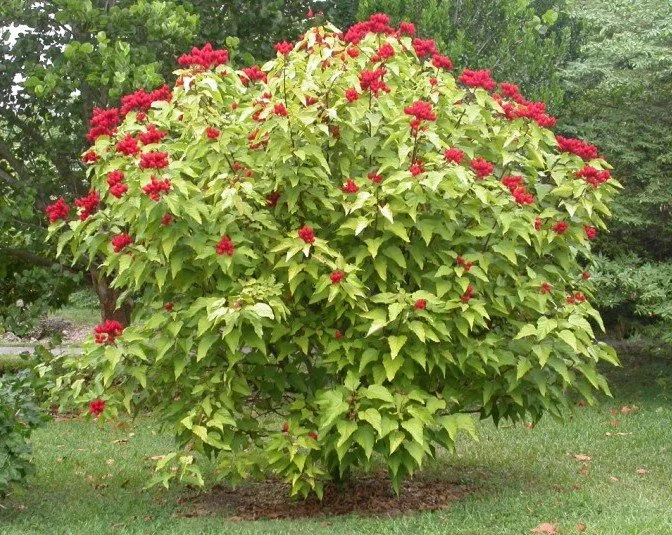
Annatto comes from the seeds of the achiote tree (Bixa orellana), native to Central and South America, Caribbean, and now grown throughout tropical regions.
The seeds:
Small, triangular, brick-red seeds
Surrounded by spiky red seed pods
The coating on the seeds contains the pigment (bixin and norbixin)
Creates that vibrant orange-yellow-gold color
Traditional & Modern Uses:
As a dye/colorant:
Used for thousands of years by indigenous peoples for body paint, textiles, ceremonial purposes
Now widely used as natural food coloring:
Cheese (that orange color in cheddar)
Butter
Margarine
Rice dishes (especially Latin American cuisine)
Smoked fish
Listed as "annatto extract" or E160b in ingredients
As a spice:
Common in Latin American, Caribbean, and Filipino cooking
Mild, slightly peppery, earthy flavor
Used in recados (spice pastes), marinades, rice dishes
Ground into paste for seasoning meat
Health Properties & Benefits:
Traditional medicine uses:
Anti-inflammatory
Antioxidant properties (carotenoids)
Digestive aid
Used for skin conditions, burns, wounds
Fever reducer
Mild antimicrobial
Nutrients:
High in tocotrienols (vitamin E family)
Carotenoids
Some evidence for heart health support
For skin (why it's great in your soap):
Antioxidant protection
May help with UV damage (not a replacement for sunscreen!)
Anti-inflammatory for sensitive skin
Traditional use for skin healing
Safety:
Generally recognized as safe (GRAS) by FDA for food use. However:
Some people have sensitivity/allergic reactions (rare but exists)
Can trigger reactions in people sensitive to food dyes
Generally very well-tolerated
For your soap: The amount used for coloring is minimal and it's been used topically for centuries, so it fits perfectly with your natural, traditional ingredients approach.
Cultural context:
This is one of those ingredients with deep indigenous roots - used by Mayan, Aztec, and Taino peoples long before colonization. The tree was considered sacred in some cultures. The body paint use wasn't just decorative - it also served as insect repellent and sun protection.
Annatto is another example of ancient wisdom that's scientifically valid - natural sun-protective and anti-inflammatory properties that traditional peoples understood intuitively. Very aligned with your philosophy of recovering suppressed traditional knowledge!
Natural, traditional, functional, and creates that beautiful gold color that ties into the prettiest coin aesthetic.
What about carrot juice?
About Carrot Juice for Coloring:
Yes! Carrot juice/puree can create orange-gold colors in soap, BUT there are challenges:
Pros:
Natural, food-based
Contains beta-carotene
Skin-loving vitamins
Creates peachy-orange tones
Cons (important for cold process soap):
Color fades significantly - often turns tan/beige after cure
Adds water content (affects lye calculation)
Can cause overheating in soap (sugars accelerate saponification)
Less stable than annatto
Inconsistent batch-to-batch color
Can go funky/brown if soap gets too hot
Better carrot options for soap:
Carrot seed oil:
Small amount added at trace
Subtle golden tint
Amazing skin benefits (anti-aging, rejuvenating)
More expensive but stable
Won't affect your recipe chemistry