The Truth About Stretch Mark Creams: Science, Hope, and Healthy Skin
When I was pregnant with my first son, I stood in the drugstore aisle completely overwhelmed by the dozens of stretch mark creams, each promising miracle results. Luckily I had something better in my pocket - the wisdom of women herbalists with their best recipe for the best healing skin care they kept alive.
As a certified community herbalist and engineer with two young boys, I've spent years studying what actually works—and what doesn't—when it comes to preventing and reducing stretch marks.
Here's what I've learned: the science is complicated, the evidence is mixed, but that doesn't mean these products don't matter. We do know that we do NOT want to put anything on our skin that could harm what is growing inside it.
What the Research Really Says
Studies show that cocoa butter hasn't been scientifically proven to prevent or reduce stretch marks any more effectively than placebos. But placebos work a third of the time! So even that is promising, considering how different people’s skins are, and more importnantly, what their diets are like (more on that below!).
Similar findings exist for many popular natural ingredients like coconut oil and olive oil. Even products like Mederma and Bio-Oil, which have shown some promise in small studies, don't have consistently replicated results across larger research in PROVING to prevent stretch marks.
But here's the thing that medical journals sometimes miss: if something works as well as a placebo, and the placebo effect is real, then believing in your skincare routine actually matters. The mind-body connection is powerful, especially during pregnancy when you're already so connected to the changes happening in your body. We know applying lotion feels good, so use what is non toxic (non-fragranced), and follow the plant scientists’s age old wisdom.
The Real Foundation: What You Eat
Here's what the research is clearer about: your diet plays the most significant role in preventing stretch marks. Specifically:
Keep sugar low: High sugar intake affects collagen production and skin elasticity
Avoid canola oil and other inflammatory oils: These can compromise skin health from the inside out. NO fried foods. Throw out that canola oil.
Stay hydrated: Water enhances your skin's natural elasticity
Eat collagen-supporting foods: Think bone broth, vitamin C-rich foods, and healthy fats
No cream can overcome poor nutrition. But when you're eating well, the right topical support can make a meaningful difference in how your skin feels—and that matters more than most people realize.
The Power of Ingredients That Actually Work
While no single ingredient is a magic bullet, certain components appear repeatedly in products that women swear by. Research-backed ingredients include centella asiatica (which may help prevent stretch marks), hyaluronic acid (shown in studies to make early stretch marks less noticeable), and colloidal oats (highly effective for alleviating itchy skin).
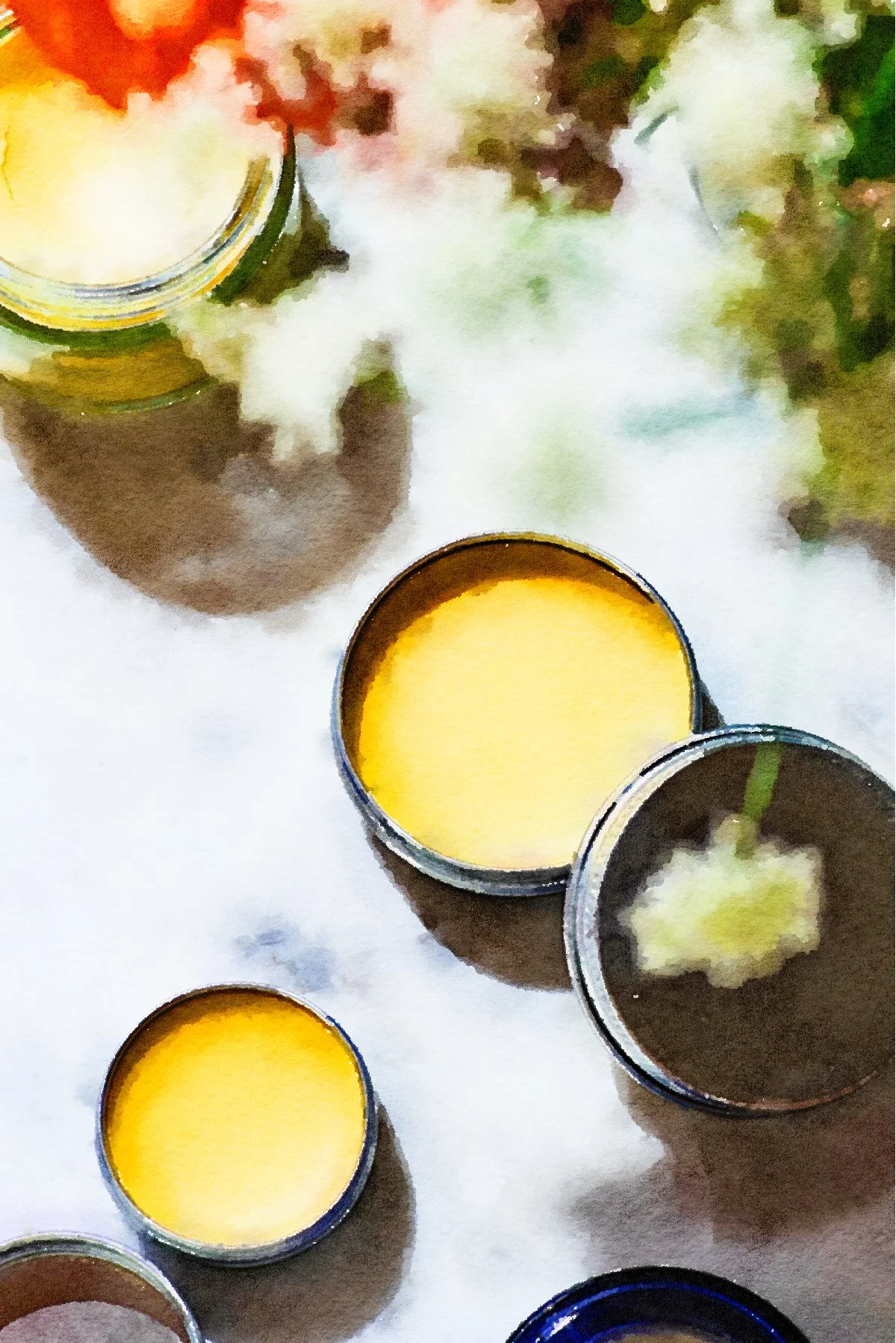
For our Mama's Belly Butter at Rational Body, I chose ingredients based on both traditional wisdom and what I could verify as safe and effective:
Cacao butter - While it may not prevent stretch marks on its own, it's an excellent emollient that deeply moisturizes and creates a protective barrier
Mango butter & Shea butter - Rich in fatty acids and vitamins that support skin elasticity
Jojoba oil & Apricot oil - Closely mimic your skin's natural oils
Squalane oil (from sugar cane) - Superior absorption, and even better than olive-derived versions
Coconut oil - Antimicrobial and deeply hydrating Lanolin - Creates a protective barrier that locks in moisture
Vitamin E - Antioxidant support for skin health
Beeswax - Natural emulsifier and skin protectant
Every ingredient was chosen with pregnant women and young children in mind—meaning zero synthetic fragrances, no hormone disruptors, and nothing that wouldn't be safe for the most vulnerable among us.
The Science of Why Moisturizers Actually Work
You know that immediate relief you feel when you apply lotion to dry, tight skin? That's not just in your head—it's real, measurable change happening in your skin. Understanding why moisturizers work helps us appreciate what we're doing for our bodies and choose the best ingredients.
The Three Ways Moisturizers Heal Your Skin
1. Occlusives: The Protective Shield
Ingredients like beeswax, lanolin, shea butter, and cacao butter form a physical barrier on your skin's surface. Here's why that matters: your skin is constantly losing water through a process called transepidermal water loss (TEWL)—you can lose several hundred milliliters per day! During pregnancy, as your belly skin stretches thin, this water loss can accelerate, leading to that uncomfortable tight, itchy feeling.
Occlusives slow this evaporation, keeping the moisture that's already in your skin from escaping. Think of it like putting a lid on a pot of water—the water stays in instead of steaming away.
2. Emollients: The Gap Fillers
Ingredients like jojoba oil, apricot oil, coconut oil, and tallow work differently—they fill in the microscopic cracks between your skin cells, literally smoothing out rough texture. When you feel that immediate softness after applying lotion, you're experiencing emollients physically smoothing your skin's surface.
But they do more than just make things feel nice. Emollients help repair your skin barrier by mimicking the natural lipids (fats) that exist between skin cells. When your skin is healthy, these lipids form a tight matrix that keeps moisture in and irritants out. When that barrier is compromised—from stretching, environmental stress, or simply dry air—emollients step in to reinforce it.
3. Humectants: The Water Magnets
Some ingredients (like hyaluronic acid or glycerin) actually draw water from the environment and from deeper layers of your skin up to the surface, actively hydrating. While our Mama's Belly Butter focuses more on occlusives and emollients, this is another proven mechanism that makes moisturizers work.
Why It Feels So Good (And Why That Matters)
When you apply lotion to dry skin, several things happen immediately:
Tactile relief: The rough, tight feeling disappears as emollients smooth the surface
Temperature soothing: Most lotions are cooler than body temperature, providing instant comfort
Nerve protection: Dry, cracked skin exposes nerve endings, making them more sensitive and irritated. Occlusives create a protective layer that calms this discomfort
Increased flexibility: Moisturized skin literally moves and stretches better—crucial during pregnancy when your belly is expanding daily
This isn't placebo. These are measurable changes in skin hydration, elasticity, and barrier function that you can both feel and that scientific instruments can detect.
Why Squalane Is a Skin Superstar
One of the ingredients I'm most excited about in our Mama's Belly Butter is squalane oil—specifically, sugar cane-derived squalane.
What Makes Squalane Special
Squalane is naturally present in human sebum—the oil your skin produces to protect and moisturize itself. It makes up about 10-12% of our sebum when we're young, though production decreases as we age. Because it's identical to what our skin already makes, our bodies recognize it immediately and know exactly how to use it.
Squalane:
Penetrates deeply without clogging pores
Boosts your skin's natural moisture retention
Is non-comedogenic (won't cause breakouts)
Has antioxidant properties
Is safe for all skin types, including sensitive and acne-prone skin
Sugar Cane vs. Olive-Derived: Why It Matters
Both sources produce the same molecule, but sugar cane-derived squalane has distinct advantages:
Sugar Cane-Derived (what we use):
Superior absorption: Lighter molecular weight means it sinks in more quickly
More stable: Less prone to oxidation (going rancid over time)
Purer: Cleaner extraction with fewer impurities
No allergen concerns: Olive-derived can occasionally trigger reactions in people with olive sensitivities
Better consistency: More uniform product from batch to batch
Olive-Derived:
More traditional and common
Slightly heavier feel (which some prefer)
Strong positive brand associations with olive oil
Fun fact: Squalane was originally harvested from shark livers (hence the name, from Squalus, a genus of sharks). Thankfully, sustainable plant-based alternatives have replaced this practice entirely.
Finding high-quality sugar cane-derived squalane is harder and more expensive, but as an engineer, I couldn't compromise on using the best-performing version of an ingredient when I was formulating products for pregnant women and children.
Day vs. Night: Why We Made Two Different Butters
When I started formulating our products, I quickly realized that daytime and nighttime skincare have different needs—especially during pregnancy.
Tallow for Daytime
Our grass-fed tallow butter is perfect for morning application because it is a little lighter, and its fatty acid profile is remarkably similar to human sebum. It absorbs rapidly without leaving a greasy residue. Tallow is non-comedogenic, meaning won’t clog pores, so many people even use it on their face. Unlike some rich butters, tallow is unlikely to cause acne (which pregnancy hormones can definitely trigger!). It provides a light barrier against environmental stressors while still feeling comfortable under clothing. And it is safe for sensitive, dry, and even oily complexions
This has become our family's daily go-to, especially for our boys' dry skin. I apply it in the morning and feel moisturized without any heavy or sticky feeling throughout the day. I say boys, because many boys are more sensitive to flowery compounds that can be slightly estrogenic, so even peppermint and lavendar and rose are said to be avoided.
Cacao Butter for Nighttime
The Mama's Belly Butter, rich in cacao butter, is ideal for your evening routine because it is a little thicker, leaving a stronger, heavier protective barrier that seals in hydration while you sleep. The lanolin is the best at sealing cracked skin (can be applied directly on sore nipples of new mothers, as well as any skin on the body). It provides deep nourishment, and its thickness invites massage, which can boost circulation and collagen production. The richer texture may be more suited for night, but belly skin stretching during pregnancy often needs this level of intensive care.
I used this throughout both pregnancies, applying it after my evening shower to damp skin. The smell now reminds me of that wonderful time, both healing and be nurturing, at the same time, knowing I was doing the best I could for the growing body inside mine- thankful for the work mine is doing, and in partnership with this new baby growing so incredibly fast.
The Combination Approach
Using tallow in the morning and cacao butter at night gives you the best of both worlds: lightweight, non-greasy protection during the day when you need to get dressed and go about your life, and intensive overnight repair when your skin can fully absorb all those nourishing ingredients.
For Dry, Cracked Hands
I love either of these for cracked fingers and hands, which seems to come with extra dishes and cleaning that comes with being a parent. I am very careful about wearing gloves when washing dishes, buying less harsh soaps and detergents, and still am so sensitive when it comes to washing my hands to much. The smell of both is addicting, and the feel is so luxurious.
Why Tallow Deserves Its Renaissance
When I took my herbalism class in Sebastopol, I learned that many traditional skin care recipes, from lotion to soap- often included tallow, which is a rendered fat from cows, preferably grass-fed, pasture-raised animals. Because, of course, cows eat grass. Yet most of our cows in America do not. They get grain, unless specified.
More than just a fancy distinction for those who can afford to care about animals- the fact that most of america’s cows hardly eat any grass at all is a problem. Most cattle in America are grain-fed in their final months, even if they were initially pasture-raised. 96% of beef and dairy cows finish their lives on a diet mostly of grain- not grass. This not only makes them sick, it makes their products (meat and dairy, less healthful). When cows eat grass, like they are supposed to, this ensures higher nutritional benefits like higher omega-3s, vitamins A and E, and CLA, and promotes better animal welfare and potentially a lower environmental impact.
Most cows spend the first 6-9 months of their lives grazing on pasture with their mothers, then switched over to feedlots to fatten them up with grain as a high-energy and cheap product. Even the term "grass-fed" can be misleading, because most cows eat grass at some point in their lives; but 100% grass-finished beef means those animals have eaten only grass and forage for their entire lives. Approximately 4% of U.S. beef is labeled as grass-fed, but only about 1% of U.S. beef is truly grass-fed and finished. The vast majority of cattle are finished on grain, meaning they are grass-fed for a portion of their lives.
New to a class, the other students mentioned just finishing a course on home made tallow lotion- something that seemed old-fashioned, and possibly stinky, but interesting. And the more I researched, the more sense it made- and the more I could not wait to get into the same class.
Tallow's fatty acid composition is incredibly similar to our own skin's natural oils, which means our bodies recognize and absorb it easily. It's rich in vitamins A, D, E, and K—all fat-soluble nutrients that support skin health and healing. For centuries, women used animal fats for skincare because they worked beautifully, they were safe for the whole family, and they didn't clog pores the way some heavy plant butters can.
I'm grateful our boys get to benefit from it now, and that I can share this knowledge with other mothers.
The Most Important Thing: Safety First
Pregnant women should avoid retinoids (vitamin A derivatives like retinol), parabens, phthalates, and artificial fragrances. Even some natural essential oils—like lavender—have come under scrutiny for potential hormone-disrupting properties and should be used cautiously, especially on young children, particularly boys.
When I formulated both our Cacao and tallow butters, I kept this in mind: if it's safe enough for a growing baby inside your belly, it's safe enough for everyone. No hidden chemicals disguised as "fragrance," no questionable preservatives, just real ingredients you could theoretically eat (though I wouldn't recommend it!).
The natural scents—warm cacao in the belly butter, gentle vanilla latte in the tallow—are delicious, and not cloyingly sweet like most artificial scents are. When infused naturally, the scents are delicious, comforting, familiar, and completely safe.
My Personal Experience
I used a similar cacao-based butter throughout both pregnancies, applying it twice daily to damp skin after showering. I ended up with zero stretch marks. Can I credit the lotion entirely? Probably not. I also ate a whole-food, low-sugar diet, stayed hydrated, and exercised regularly. But I believe the combination of good nutrition and consistent skincare made a difference—and more importantly, the ritual of caring for my changing body felt nurturing and empowering.
If I could do it over knowing what I know now? I'd use the tallow butter in the morning and the cacao-rich belly butter at night. But picking one over any store bought lotion is way better than most people in America are getting.
An Invitation to Our Danville Community
My husband Marcus and I started Rational Body because we wanted to make feeling great every day simpler and safer for families like ours. We live just a few blocks away and visit most weekends on our bikes with our sons (2 and 4 years old).
Making lifestyle changes around food and personal care products can be challenging, but having a supportive community with similar ideals makes all the difference. We'd love to share our list of local sugar-free desserts and grass-fed, organic meat options—and we'd especially love to add to that list with recommendations from you!
Whether you're pregnant, planning to be, or simply want cleaner options for your family, we're here to support you. Our Cacao Belly Butter and grass-fed tallow lotions are just the beginning of what we hope will be a growing collaboration of local families creating and sharing healthier options.
Because the truth about stretch mark creams isn't just about what works in a clinical trial. It's about creating products we feel proud to use on our most precious skin—our growing bellies, our children's delicate faces, our own changing bodies. It's about knowing that every ingredient was chosen with love, care, and the highest safety standards in mind.
And if believing in that makes it work even better? Well, that's just science supporting what mothers have always known: the care we give ourselves matters.
Want to learn more about our products or connect with other families focused on healthier living? Visit us at Rational Body in Danville, or reach out to join our growing community of families making cleaner choices together.